
The evolution of ladies’ fashion has been marked by continuous transformation, particularly throughout the 20th and early 21st centuries. In the early decades, women’s clothing was characterized by structured silhouettes, corsets, and an emphasis on modesty. The influence of the Victorian era lingered, leading to a style that highlighted femininity through elaborate designs and intricate details.
However, the onset of World War II marked a pivotal shift in women’s fashion. During this era, women joined the workforce in unprecedented numbers, and practicality became necessary. The introduction of utility clothing, which prioritized functionality over flamboyance, was a direct response to resource shortages. This period saw the rise of simpler, more comfortable designs, including tailored suits and trousers that reflected the new roles women were adopting in society.
The 1960s and 1970s ushered in the women’s liberation movement, which fostered even more radical changes in fashion. The societal push towards gender equality enabled women to express themselves through their clothing choices. Fashion icons like Audrey Hepburn and designers such as Yves Saint Laurent are credited with embracing this shift, introducing styles that exuded confidence and independence. The iconic miniskirt emerged during this time, symbolizing not only a new sense of style but also the burgeoning freedom of women.
Into the late 20th century and beyond, globalization began to influence women’s fashion significantly. The melding of cultures brought forth eclectic styles, where traditional garments were adapted into contemporary fashion. Noteworthy designers continued to shape the industry, contributing unique perspectives on femininity, body image, and self-expression.
Today, ladies’ fashion reflects an ongoing dialogue about identity, culture, and sustainability, with modern trends often revisiting and reinterpreting styles from the past. Women’s fashion remains a dynamic field, influenced by historical events, cultural shifts, and pioneering fashion icons who continue to inspire.
Current Trends in Women’s Fashion
The realm of ladies’ fashion is undergoing a significant transformation, marked by a palette of vibrant colors, the embrace of innovative fabrics, and emerging styles that define today’s fashion landscape. Among the dominant colors, we observe a rise in earthy tones like olive green, terracotta, and muted pastels, which resonate with the growing inclination toward sustainability in fashion choices. Fabrics are also making a notable shift; natural fibers such as organic cotton and linen are becoming more prevalent, reflecting a commitment to environmentally conscious purchasing decisions.
In recent years, the concept of sustainable and ethical fashion has gained momentum. More brands are prioritizing eco-friendly practices, from sourcing materials responsibly to ensuring fair labor conditions. As consumers become more aware of their buying power, they favor brands that align with their values, supporting a significant shift in market dynamics.
Additionally, social media influencers play a pivotal role in shaping fashion trends. Their ability to curate relatable content and showcase versatility in styling has made them central figures in promoting new trends. Platforms like Instagram and TikTok are not just venues for inspiration but also serve as powerful tools for launching fashion movements, particularly among younger demographics.
Another key trend lies in the rise of athleisure and casual styles, which have solidified their place in women’s wardrobes. The fusion of style and comfort has led to the popularity of versatile pieces such as oversized blazers, chic joggers, and tailored leggings. These items not only cater to a busy lifestyle but also exemplify the desire for practicality mixed with aesthetic appeal.
Must-have items for the modern woman include the timeless trench coat, which effortlessly combines sophistication and utility, versatile midi dresses that transition seamlessly from day to night, and classic sneakers that offer comfort without sacrificing style. This blend of trends emphasizes the evolving nature of women’s fashion, where individuality and comfort coexist harmoniously.
Styling Tips for Every Occasion
Fashion is about personal expression, but understanding how to dress appropriately for various occasions is essential for crafting the right impression. Here are some practical styling tips for women that cater to casual outings, formal events, and everything in between.
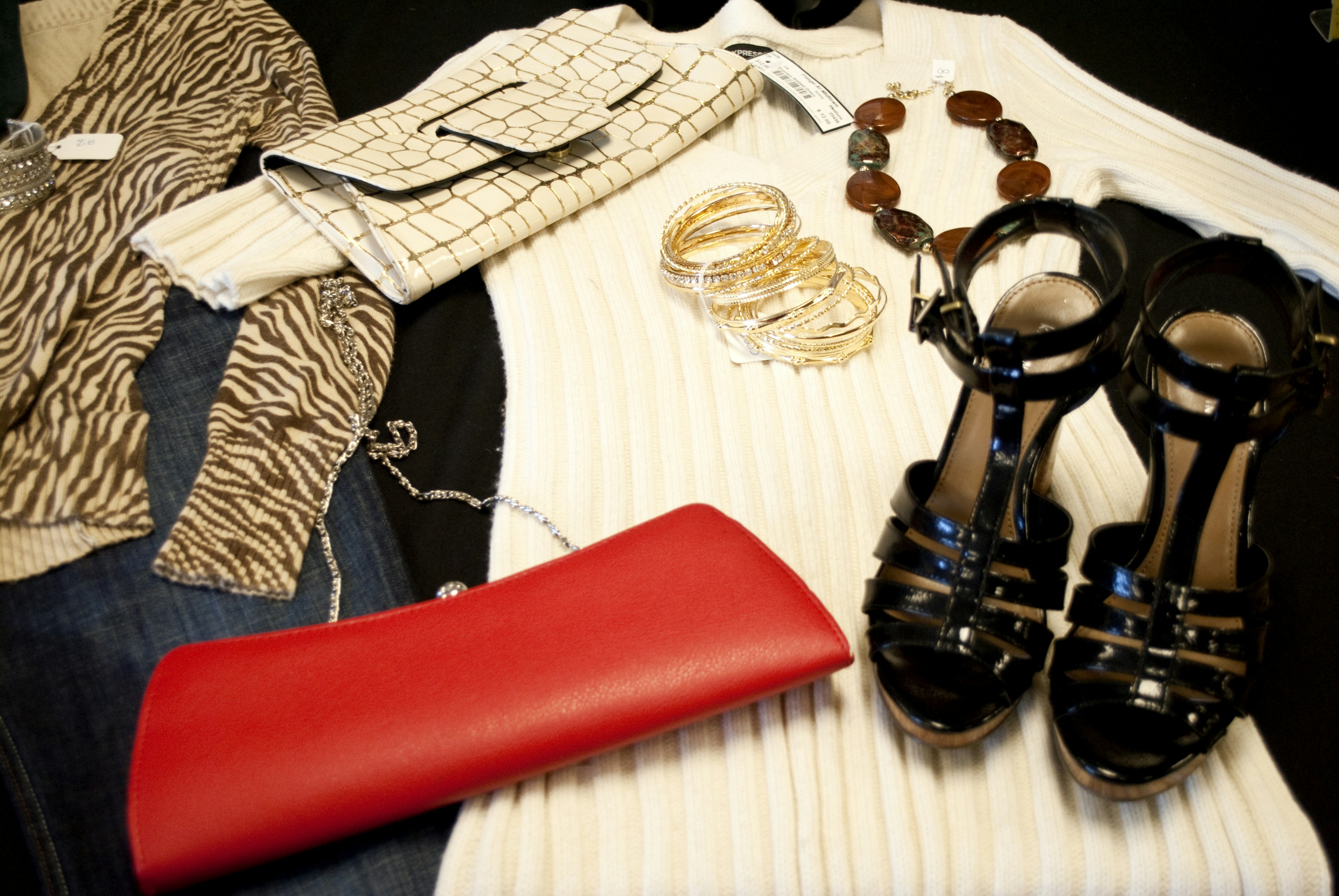
For casual outings, comfort and style can go hand in hand. Opt for well-fitted jeans paired with a lightweight sweater or a stylish blouse. Accessories can elevate an otherwise simple outfit; consider adding a crossbody bag that complements your look along with comfortable yet fashionable sneakers or slip-ons. Layering is key; a denim jacket can add an instant style boost to your ensemble.
For semi-formal occasions, mixing and matching pieces can create a polished appearance. A midi skirt paired with a tailored top works beautifully for brunches or informal gatherings. To enhance your look, consider statement jewelry, like a bold necklace or oversized earrings. Footwear plays a crucial role; choose block heels or polished flats for a balance of elegance and comfort.
When it comes to formal events, understanding your body type is essential in selecting the right outfit. Hourglass figures may benefit from fitted dresses that accentuate curves, while an A-line dress can create a flattering silhouette for those with a pear shape. Tailored suits or jumpsuits also present a chic alternative. Don’t forget about the accessories; a clutch bag and a pair of elegant heels can finish off your outfit with flair.
Fashion experts recommend that personal style should remain at the forefront of any outfit choice. Embrace colors and patterns that resonate with you while considering the event’s formality. Ultimately, confidence is key—wear outfits that make you feel empowered and comfortable.
The Future of Ladies’ Fashion
As we navigate through the current trends in ladies’ fashion, it becomes essential to consider future directions shaped by technological advancements and evolving consumer preferences. One prominent development is the integration of technology in both the shopping experience and clothing design. Virtual fitting rooms are expected to gain traction, allowing consumers to try on garments digitally, thus reducing the hassle of returns and enhancing the shopping experience. This technology not only contributes to convenience but also promotes more sustainable fashion practices by minimizing waste associated with unsold inventory.
Moreover, the incorporation of smart textiles is anticipated to emerge, featuring fabrics that can adapt to various environmental conditions, enhance comfort, and even monitor health metrics. Such innovations in materials signify a shift towards functional yet fashionable apparel, catering to the modern woman’s multifaceted lifestyle.
Equally important is the increased emphasis on inclusivity and diversity in ladies’ fashion. The industry is progressively recognizing the necessity to represent a broader spectrum of body types, ethnicities, and age groups within its offerings. Brands are now more attuned to the voices of their consumers, promoting body positivity and diversity through their campaigns and product lines. This cultural shift is essential in creating an environment where all women feel valued and represented within the fashion landscape.
In parallel, consumer behavior is witnessing a paradigm shift towards personalized and tailored fashion choices. Today’s consumers are more inclined towards bespoke styles that reflect their unique identities, leading to a growth in demand for customized pieces. As brands begin to adopt technology to facilitate bespoke offerings, the future of ladies’ fashion looks poised to embrace individuality in a way that has not been seen before. This trend suggests that the next era of fashion will not only prioritize aesthetics but also personal expression, sustainability, and inclusivity.